
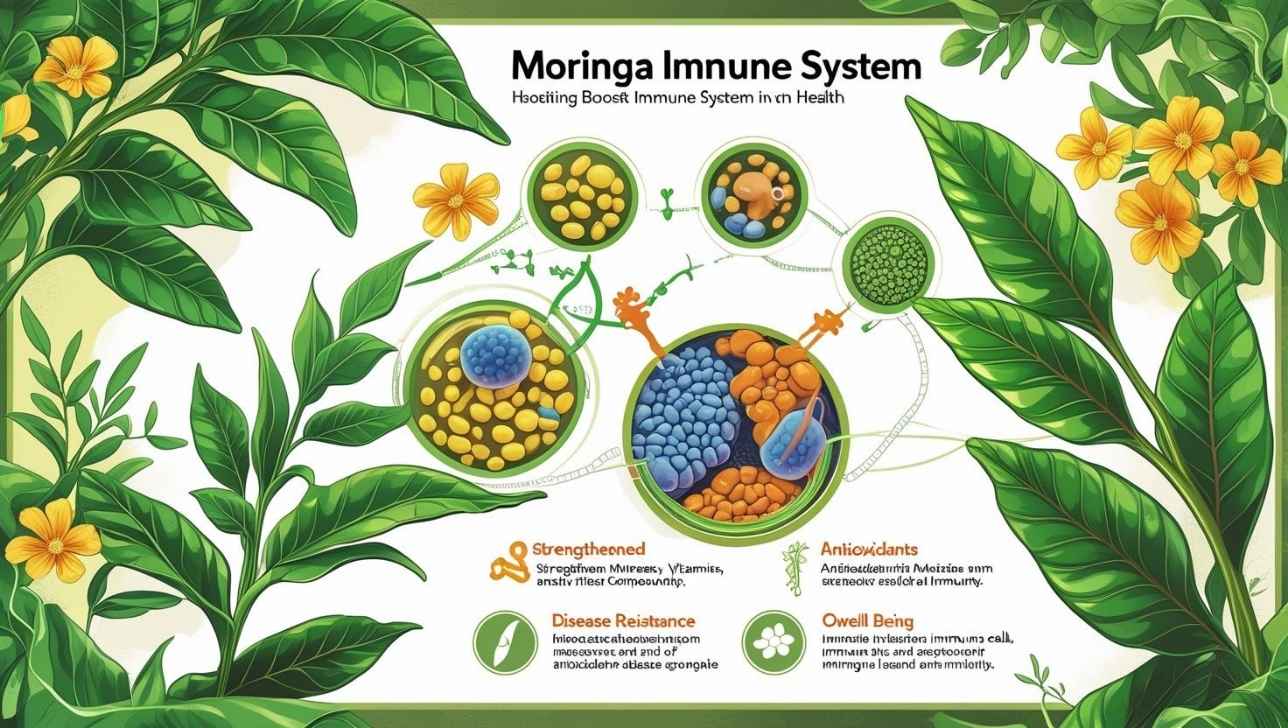
Moringa’s Role in Boosting Immune System Health
Moringa is a versatile plant known for its numerous health benefits, and one of its most notable contributions is to the immune system. With its rich array of nutrients and antioxidants, moringa can play a significant role in supporting your body’s defenses against various ailments. Let’s dive into how moringa works to boost your immune system and why it might be worth incorporating into your daily routine.
One of the key components of moringa that supports immune health is its high concentration of vitamins and minerals. Moringa leaves are packed with vitamin C, which is essential for the production of white blood cells—your body’s first line of defense against infections. Vitamin A, another vital nutrient found in abundance in moringa, also plays a crucial role in maintaining the integrity of skin and mucous membranes, which act as barriers to pathogens.
Moreover, moringa contains a plethora of antioxidants, including flavonoids and phenolic acids. These compounds help neutralize harmful free radicals that can damage cells and weaken the immune system. By reducing oxidative stress, these antioxidants contribute to overall immune function and enhance the body’s ability to fight off infections.
The antimicrobial properties of moringa further bolster its immune-boosting capabilities. Studies have shown that moringa extracts possess antibacterial and antifungal activities, making them effective against a wide range of pathogens. This makes moringa a valuable ally in preventing common illnesses like colds, flu, and other infections.
Moringa into your diet can be simple and enjoyable. You can add moringa powder to smoothies, soups, or even sprinkle it over your salads. If you prefer a more concentrated dose, moringa capsules or teas are also available. However, it’s important to consult with a healthcare provider before starting any new supplement regimen, especially if you have pre-existing conditions or are taking medications.
- Vitamin C: Essential for white blood cell production
- Vitamin A: Supports skin and mucous membrane health
- Antioxidants: Neutralize free radicals and reduce oxidative stress
- Antimicrobial Properties: Effective against bacteria and fungi
While moringa offers a myriad of benefits, it’s important to note that it should not be seen as a cure-all. Maintaining a balanced diet, getting regular exercise, and practicing good hygiene remain fundamental to a strong immune system. However, when combined with a healthy lifestyle, moringa can be a powerful addition to your wellness routine.
Research on moringa’s effects on the immune system is ongoing, and studies continue to uncover new ways this remarkable plant can support your health. For instance, preliminary research suggests that moringa may help modulate the immune response, potentially benefiting those with autoimmune conditions. While more comprehensive studies are needed, these findings highlight the potential versatility of moringa in promoting overall health.
To maximize the benefits of moringa, consider sourcing it from reputable suppliers who ensure the quality and purity of their products. Look for organic options whenever possible, as these are grown without synthetic pesticides that could compromise the plant’s nutritional value.
Moringa is a potent natural resource that can significantly enhance your immune system’s functionality. Its combination of vitamins, minerals, antioxidants, and antimicrobial properties makes it a valuable addition to any wellness regimen. By integrating moringa into your daily routine, you can fortify your body’s defenses and promote a healthier, more resilient immune system.
Remember, while moringa can be a helpful tool in supporting your immune health, it’s part of a broader strategy that includes a balanced diet, regular exercise, and other healthy habits. Always consult with a healthcare professional before making significant changes to your diet or supplement routine.
Moringa And Immune System Support: What You Need To Know – Find out how Moringa aids digestion and detoxification. Explore the benefits now!
Nutritional Benefits of Moringa for Immunity
Moringa oleifera, often referred to simply as moringa, is a tree native to parts of Africa and Asia. Its leaves, pods, seeds, and even roots are used in traditional medicine and cooking. One of the most significant benefits of moringa is its potential to support the immune system. Here’s what you need to know about how moringa can enhance your body’s defenses.
Moringa is packed with essential nutrients that are vital for maintaining a healthy immune system. These include vitamins A, C, and E, which are powerful antioxidants that help protect cells from damage caused by free radicals. Additionally, moringa contains minerals like zinc and iron, which play crucial roles in immune function.
High Vitamin C Content
Vitamin C is known for boosting the immune system and helping the body fight off infections. Moringa leaves are particularly rich in vitamin C, containing more than seven times the amount found in oranges. By incorporating moringa into your diet, you can significantly increase your intake of this essential nutrient, thereby supporting your immune health.
Nutrient-Dense Leaves
The leaves of the moringa tree are exceptionally nutrient-dense. They contain over 90 different nutrients, including amino acids, flavonoids, and various phytochemicals. These compounds work together to strengthen the immune system, making moringa a potent ally in the fight against pathogens.
Immune-Boosting Compounds
Moringa contains several bioactive compounds that have been shown to boost immune function. For instance, isothiocyanates and niaziminin, found in moringa, have antimicrobial properties that can help protect against bacterial and viral infections. These compounds can also reduce inflammation, which is a common precursor to many chronic diseases.
Minerals for Immune Support
Zinc and iron are two minerals that are critical for proper immune function. Zinc helps regulate the immune system and supports the development of white blood cells, which are essential for fighting infections. Iron, on the other hand, is necessary for the production of hemoglobin, which carries oxygen to cells throughout the body. Moringa is a good source of both these minerals, providing a natural way to bolster your immune system.
Iron-Rich Pods
Moringa pods are another part of the plant that can contribute to immune health. They are high in iron, which is crucial for preventing anemia and ensuring that your body has enough oxygen to function properly. Anemia can weaken the immune system, so consuming foods rich in iron, like moringa pods, can help maintain optimal immune function.
Zinc in Seeds
Moringa seeds are not only nutritious but also contain significant amounts of zinc. Zinc plays a vital role in the development and activation of immune cells. Regular consumption of moringa seeds can help ensure that your body has adequate levels of this important mineral, thus enhancing your overall immune response.
Antioxidants for Cellular Health
Antioxidants are compounds that neutralize free radicals, which can cause cellular damage and lead to a weakened immune system. Moringa is rich in antioxidants like quercetin and chlorogenic acid. These antioxidants help protect cells from oxidative stress, thereby supporting the immune system and promoting overall health.
Quercetin for Anti-Inflammatory Effects
Quercetin, a flavonoid found in moringa, has anti-inflammatory properties that can help reduce the risk of chronic diseases. Chronic inflammation can suppress the immune system, making it harder for the body to fight off infections. By including moringa in your diet, you can benefit from its anti-inflammatory effects, which may help keep your immune system functioning optimally.
Chlorogenic Acid for Blood Sugar Regulation
Chlorogenic acid, another antioxidant found in moringa, has been shown to help regulate blood sugar levels. Maintaining stable blood sugar is important for immune health because fluctuations in blood sugar can weaken the immune system. By consuming moringa, you can support better blood sugar control, which may indirectly enhance your immune function.
Supporting Gut Health
A healthy gut microbiome is essential for a strong immune system. Moringa contains fiber, which promotes the growth of beneficial bacteria in the gut. This can help improve digestion and absorption of nutrients, leading to better overall health and stronger immunity.
Fiber for Digestive Health
Fiber is an important component of a balanced diet and is found in abundance in moringa leaves and pods. It helps maintain regular bowel movements and prevents constipation, which can contribute to a healthier digestive tract. A well-functioning digestive system ensures that your body absorbs nutrients efficiently, supporting immune function.
Probiotics and Prebiotics
While moringa does not contain probiotics, it does act as a prebiotic, feeding the beneficial bacteria in your gut. This can enhance the diversity of your gut microbiome, which is linked to improved immune function. By regularly consuming moringa, you can support a healthy gut environment, which is crucial for a robust immune system.
Moringa into Your Diet
There are many ways to incorporate moringa into your daily routine. You can add moringa powder to smoothies, soups, or even sprinkle it on top of salads. Moringa capsules and teas are also popular options for those looking for a convenient way to get their daily dose of this superfood.
Making Smoothies Healthier
Adding moringa powder to your morning smoothie is an easy way to boost your nutrient intake. Simply blend a teaspoon of moringa powder with your favorite fruits, vegetables, and a liquid base like almond milk or water. Not only will this make your smoothie more nutritious, but it will also give it a vibrant green color.
Teas for Relaxation and Immunity
Making a cup of moringa tea is another simple way to enjoy the benefits of this plant. Steep moringa leaves or powder in hot water for a few minutes, then strain and sip. This can be a relaxing ritual that not only supports your immune system but also provides a moment of tranquility during your day.
By understanding the nutritional benefits of moringa and how it supports the immune system, you can make informed decisions about incorporating this powerful plant into your diet. Whether you choose to add moringa powder to your meals or drink it as a tea, you can take a proactive step towards improving your overall health and well-being.
How Moringa Can Be Incorporated into Daily Diet for Optimal Immune Support
Adding moringa to your daily diet can significantly boost your immune system, thanks to its rich nutrient profile. Moringa is packed with vitamins, minerals, and antioxidants that help protect your body against harmful pathogens. Here’s how you can incorporate moringa into your routine for optimal immune support.
Understanding Moringa’s Nutritional Profile
Moringa leaves are a powerhouse of nutrition. They contain high levels of vitamins A, C, and E, along with minerals like calcium, potassium, and iron. These nutrients play crucial roles in enhancing your immune function. For instance, vitamin C is essential for the production of white blood cells, which are key players in fighting infections. Vitamin A supports the integrity of mucosal barriers, which act as the first line of defense against pathogens. Including moringa in your diet ensures you get these vital nutrients.
Moringa into Your Breakfast Routine
Start your day right by adding moringa to your breakfast. You can sprinkle moringa powder over your cereal or mix it into your smoothie. A simple green smoothie recipe could include bananas, spinach, almond milk, and a teaspoon of moringa powder. This not only adds a vibrant green color to your drink but also gives it a boost of nutrients. Another option is to add moringa to your oatmeal. Just a spoonful can enhance the nutritional value without altering the taste too much.
Adding Moringa to Lunch and Dinner
For lunch, consider incorporating moringa into your salads. Mix some moringa powder into your vinaigrette or sprinkle it over your greens for an extra health kick. It pairs well with ingredients like avocado, cherry tomatoes, and quinoa, creating a balanced meal that supports your immune system. At dinner, moringa can be used as a seasoning in soups and stews. Adding a teaspoon of moringa powder to your vegetable soup can increase its nutritional value and add a subtle earthy flavor.
Making Moringa Tea
Another easy way to include moringa in your daily routine is by making moringa tea. Simply steep a teaspoon of dried moringa leaves in hot water for a few minutes. You can sweeten it with honey or lemon for added flavor. This tea is a soothing way to end your day and provides a consistent intake of moringa’s beneficial compounds.
Snacking with Moringa
Snack time is another opportunity to integrate moringa into your diet. Make homemade energy balls by combining dates, nuts, and moringa powder. These snacks are not only delicious but also provide sustained energy throughout the day. Alternatively, you can sprinkle moringa powder over popcorn or mix it into yogurt for a nutritious snack that supports your immune system.
Tips for Maximizing Moringa’s Benefits
- Consistency: To see the best results, aim to consume moringa regularly. it into your daily meals ensures a steady intake of its immune-boosting properties.
- Variety: Experiment with different recipes to keep things interesting. Try adding moringa to different dishes and beverages to find what you enjoy most.
- Quality Matters: Choose organic moringa products to avoid any potential contaminants. Look for reputable brands that ensure the quality and purity of their moringa.
- Consult a Professional: Before making significant changes to your diet, especially if you have underlying health conditions, consult a healthcare provider or a nutritionist. They can offer personalized advice tailored to your needs.
Final Thoughts
Moringa into your daily diet is a straightforward way to support your immune system. Whether you choose to start your day with a moringa smoothie, add it to your lunchtime salad, or enjoy a cup of moringa tea, these small changes can make a big difference in your overall health. By making moringa a regular part of your routine, you’re giving your body the tools it needs to stay healthy and strong.
Remember, while moringa is beneficial, it’s just one piece of the puzzle. A balanced diet, regular exercise, adequate sleep, and stress management are all crucial components of a healthy lifestyle. By combining these elements, you can optimize your immune system and enjoy a healthier, more vibrant life.
Scientific Evidence Supporting Moringa’s Immune System Benefits
When considering natural ways to boost your immune system, moringa stands out as a promising option. This versatile plant, known scientifically as Moringa oleifera, has been used for centuries in traditional medicine for its numerous health benefits. Recent scientific studies have begun to uncover the mechanisms behind its immune-boosting properties, providing compelling evidence for its efficacy.
One key area where moringa shows promise is in its ability to combat oxidative stress. Oxidative stress can lead to cellular damage and weaken the immune system over time. A study published in the Journal of Medicinal Food found that moringa leaves contain high levels of antioxidants, including flavonoids and phenolic acids. These compounds help neutralize free radicals, reducing oxidative stress and thereby supporting overall immune function.
Another important aspect of moringa’s immune-boosting potential is its anti-inflammatory properties. Chronic inflammation can suppress immune responses and increase susceptibility to infections. Research published in Phytotherapy Research demonstrated that moringa extracts can inhibit pro-inflammatory cytokines, which are signaling molecules that contribute to inflammation. By reducing these inflammatory markers, moringa helps maintain a balanced immune response.
Moringa also plays a role in modulating the gut microbiome, which is crucial for a healthy immune system. The gut microbiota acts as a barrier against pathogens and supports the development and function of immune cells. Studies have shown that moringa can promote a diverse and healthy gut microbiome. For instance, a study in Frontiers in Immunology highlighted that moringa consumption can increase beneficial bacteria like Lactobacillus and Bifidobacterium, while decreasing harmful bacteria. This balance in the gut microbiome enhances the body’s defense mechanisms and overall immune resilience.
Vitamins and minerals are essential for immune function, and moringa is rich in these vital nutrients. It contains significant amounts of vitamins A, C, and E, which are known antioxidants that bolster the immune system. Additionally, moringa is a good source of zinc, iron, and selenium, all of which play critical roles in immune cell development and function. A review in Nutrients discussed how these nutrients work synergistically to enhance immune responses and protect against infections.
Moreover, moringa has been shown to have direct antiviral and antibacterial effects. Research published in Microbial Pathogenesis revealed that moringa extract can inhibit the replication of certain viruses, such as herpes simplex virus (HSV). Similarly, another study in Journal of Ethnopharmacology demonstrated that moringa possesses strong antibacterial activity against various strains of bacteria, including Staphylococcus aureus and E. coli. These findings suggest that moringa could be a valuable adjunct therapy in fighting both viral and bacterial infections.
Animal studies have further supported the immune-boosting claims of moringa. For example, a study in International Journal of Molecular Sciences found that rats fed a diet supplemented with moringa showed enhanced immune responses compared to those on a standard diet. Specifically, these animals had higher levels of antibodies and increased activity of immune cells like macrophages and T-cells. These results indicate that moringa may have similar benefits in humans, although more clinical trials are needed to confirm these findings.
Moringa’s impact on stress management also contributes to its immune-boosting properties. Chronic stress can suppress the immune system, making individuals more susceptible to illnesses. Moringa contains compounds that can help reduce stress levels. A study in Phytotherapy Research reported that moringa extract can lower cortisol levels, the primary stress hormone. By managing stress, moringa indirectly supports immune function and overall well-being.
The scientific evidence supporting moringa’s immune system benefits is robust and multifaceted. From its antioxidant and anti-inflammatory properties to its role in modulating the gut microbiome and providing essential nutrients, moringa offers a comprehensive approach to enhancing immune function. While more research is necessary, especially in human trials, the current findings suggest that incorporating moringa into your diet could be a valuable strategy for maintaining a strong and resilient immune system.
To fully leverage the immune-boosting benefits of moringa, consider adding it to your daily routine through supplements, teas, or culinary dishes. Always consult with a healthcare provider before starting any new supplement regimen to ensure it is safe and appropriate for your individual health needs.
Choosing the Right Moringa Supplements for Immune Enhancement
When it comes to supporting your immune system, moringa supplements can be a powerful addition to your health routine. However, with so many options available, choosing the right one can feel overwhelming. Whether you’re looking to boost your immune function, reduce inflammation, or simply enhance your overall wellness, understanding the different types of moringa supplements and their benefits can help you make an informed decision.
Types of Moringa Supplements
- Moringa Capsules: These are the most common form of moringa supplements. They are easy to take and convenient for daily use. Capsules typically contain dried moringa leaf powder, which is known for its high concentration of vitamins, minerals, and antioxidants.
- Moringa Powder: This is another popular option, often used in smoothies, juices, or sprinkled over food. It offers the same benefits as capsules but in a more versatile format. You can easily incorporate moringa powder into your diet to enhance its nutritional value.
- Moringa Oil: Extracted from moringa seeds, this oil is rich in fatty acids and antioxidants. It’s commonly used in skincare products due to its moisturizing properties. While it doesn’t directly support the immune system like other forms, it can contribute to overall skin health, which indirectly supports immunity.
- Moringa Tea: Made from dried moringa leaves, this herbal tea is a soothing way to get your daily dose of moringa. It’s particularly beneficial for those who prefer a warm, comforting beverage to start their day or unwind at night.
Factors to Consider When Choosing Moringa Supplements
- Quality: Look for supplements that are certified organic and non-GMO. High-quality moringa is grown without harmful pesticides and chemicals, ensuring you get the purest form of the plant.
- Purity: Check if the supplement is free from additives, fillers, and artificial ingredients. Pure moringa supplements will provide maximum benefits without any unwanted side effects.
- Dosage: Different products come with varying dosages. Follow the recommended dosage on the label to avoid underdosing or overdosing. Consulting with a healthcare provider before starting any new supplement regimen is always a good idea.
- Formulation: Some brands offer moringa combined with other immune-boosting ingredients like vitamin C, zinc, or elderberry. These formulations can enhance the overall effectiveness of the supplement.
- Brand Reputation: Research the brand’s reputation and read reviews from other customers. Trusted brands often have a history of producing high-quality products and stand behind their offerings.
How to Incorporate Moringa into Your Routine
Including moringa in your daily routine is simple and can be tailored to your preferences. For instance, you might start your morning with a glass of moringa tea or add a spoonful of moringa powder to your breakfast smoothie. If you’re on-the-go, moringa capsules are a convenient option that can be taken anytime, anywhere. Consistency is key when it comes to reaping the benefits of moringa supplements. Make sure to integrate them into your routine gradually to allow your body to adjust.
Benefits of Moringa Supplements
Moringa supplements offer a range of benefits that can help support your immune system. Key nutrients found in moringa include vitamins A, C, and E, calcium, potassium, and iron, all of which play crucial roles in maintaining a healthy immune response. Additionally, moringa is rich in antioxidants, which can help combat oxidative stress and inflammation—two factors that can weaken your immune system. By incorporating these supplements into your daily routine, you can enhance your body’s natural defenses and promote overall wellness.
Choosing the right moringa supplement depends on your personal needs and preferences. Whether you opt for capsules, powder, tea, or oil, ensure that you select a high-quality product that aligns with your health goals. With consistent use, moringa supplements can be a valuable tool in boosting your immune system and enhancing your overall well-being.
Moringa And Immune System Support: What You Need To Know – Find out how Moringa aids digestion and detoxification. Explore the benefits now!
Conclusion
Embracing moringa as part of your daily routine can significantly enhance your immune system health. With its rich array of vitamins, minerals, and antioxidants, moringa provides a powerful boost to your body’s defenses. Whether you choose to incorporate it through fresh leaves, powders, or supplements, moringa offers versatile ways to support your immunity. Scientific studies back its effectiveness, making it a reliable choice for those looking to fortify their health. When selecting moringa products, look for high-quality, organic options to ensure you’re getting the most benefit. By adding moringa to your diet, you’re not only enhancing your immune response but also supporting overall wellness. Start small, perhaps by sprinkling moringa powder on your morning smoothie or incorporating it into your cooking. Over time, you’ll likely notice a difference in how you feel, with a stronger, more resilient immune system.
