
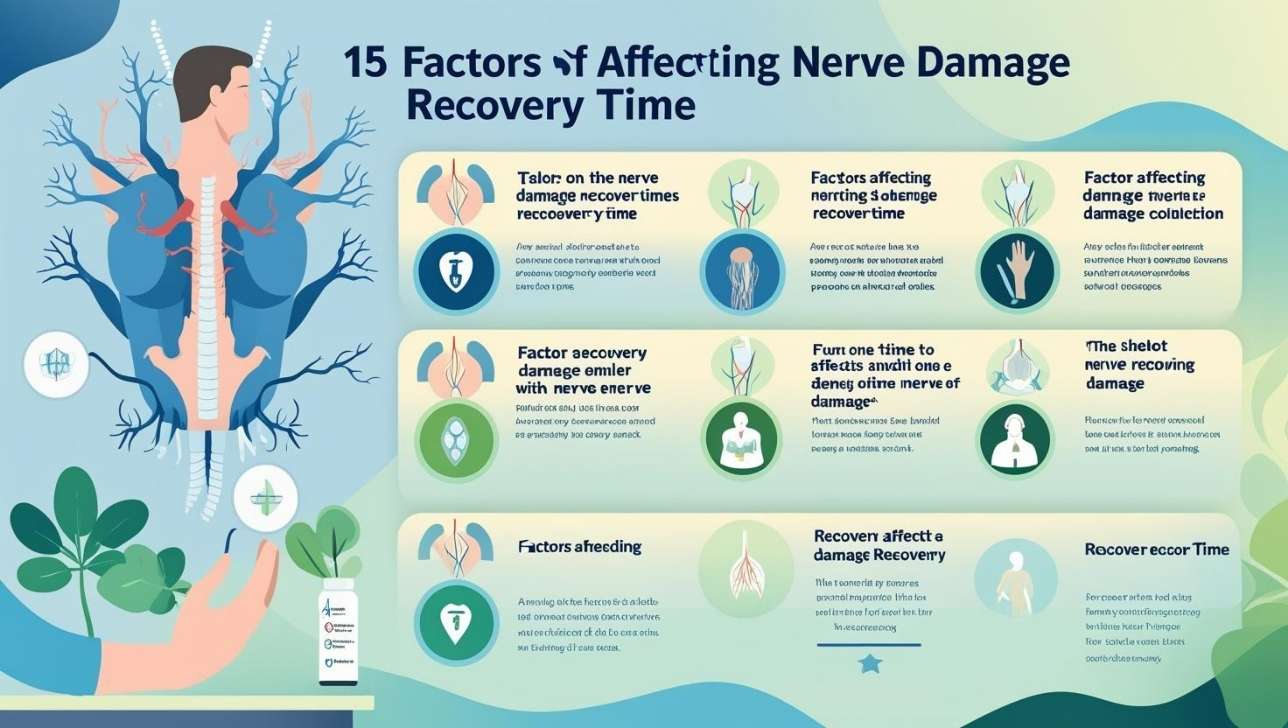
Factors Influencing the Healing Time of Nerve Damage
Nerve damage, also known as neuropathy, can significantly impact a person’s quality of life. The healing time for nerve damage varies widely depending on several factors. Understanding these factors can help in managing expectations and tailoring recovery strategies.
Severity of Nerve Damage
- The severity of nerve damage plays a crucial role in determining how long it takes to heal. Mild nerve injuries may heal within a few weeks, whereas severe injuries could take months or even years to recover fully.
| Severity Level | Healing Time Frame |
|---|---|
| Mild | 2-4 Weeks |
| Moderate | 6-12 Weeks |
| Severe | 6 Months – 1 Year+ |
Location of Nerve Damage
- The location of the nerve damage can influence healing time. Nerves in some parts of the body, like the hands and feet, may heal more slowly due to limited blood supply compared to nerves in other areas.
| Body Part | Average Healing Time |
|---|---|
| Hands/Fingers | 3-6 Months |
| Feet/Toes | 4-8 Months |
| Arms/Shoulders | 2-4 Months |
| Legs/Knees | 3-6 Months |
Underlying Health Conditions
- Individuals with underlying health conditions such as diabetes, autoimmune diseases, or vitamin deficiencies may experience slower nerve regeneration. These conditions can impair the body’s ability to repair damaged nerves effectively.
| Health Condition | Impact on Healing |
|---|---|
| Diabetes Mellitus | Slower Healing Due to Poor Blood Circulation |
| Autoimmune Diseases (e.g., Lupus) | Delayed Healing Due to Immune System Interference |
| Vitamin B12 Deficiency | Impaired Nerve Function and Slow Recovery |
Lifestyle Factors
- Lifestyle factors such as diet, exercise, and smoking habits can significantly affect nerve recovery. A balanced diet rich in vitamins and minerals supports nerve health, while regular physical activity enhances blood circulation, aiding in faster healing.
| Lifestyle Factor | Effect on Healing |
|---|---|
| Healthy Diet (Vitamins B1, B6, B12) | Promotes Nerve Regeneration |
| Regular Exercise | Improves Blood Circulation |
| Smoking Cessation | Enhances Oxygen Supply to Nerves |
Medical Treatment and Rehabilitation
- The type of medical treatment and rehabilitation programs can greatly impact the healing process. Early intervention with medications, physical therapy, and other treatments can accelerate recovery.
| Treatment Type | Expected Impact on Healing Time |
|---|---|
| Medications (e.g., Pain Relievers, Antidepressants) | Reduces Symptoms and Supports Nerve Repair |
| Physical Therapy | Improves Mobility and Strengthens Muscles Around Nerves |
| Surgical Interventions | Corrects Structural Issues and Reduces Pressure on Nerves |
Age and Overall Health
- Age and overall health status are critical factors. Younger individuals generally have a faster healing rate than older adults. Additionally, maintaining good overall health can significantly speed up the recovery process.
| Factor | Impact on Healing Time |
|---|---|
| Younger Age (18-30) | Faster Healing Due to Enhanced Cellular Regeneration |
| Older Age (60+) | Slower Healing Due to Reduced Cellular Activity |
| Good Overall Health (No Chronic Illnesses) | Accelerates Recovery Due to Stronger Immune Response |
Understanding these factors can help in setting realistic expectations and adopting effective strategies to support nerve healing. By addressing each aspect thoughtfully, one can enhance the chances of a quicker and more complete recovery.
✔ “Discover How Nerve Fresh Can Help Restore Your Nerve Health!”
Natural Remedies and Lifestyle Changes to Accelerate Nerve Recovery
When dealing with nerve damage, the journey to recovery can feel daunting. However, there are several natural remedies and lifestyle changes you can adopt to speed up the healing process. Let’s dive into these strategies, which can help you regain your health more effectively.
Natural Remedies to Accelerate Nerve Recovery
1. Vitamin B Complex: One of the most crucial nutrients for nerve health is vitamin B complex. This includes vitamins B1 (thiamine), B6 (pyridoxine), and B12 (cobalamin). These vitamins play a pivotal role in maintaining the integrity of the nervous system. You can find them in foods like eggs, dairy products, whole grains, and leafy greens. Supplements are also available, but consult with a healthcare provider before starting any new regimen.
Vitamin B1 (Thiamine)
Vitamin B1 helps in converting carbohydrates into energy, which is essential for nerve function. Foods rich in thiamine include pork, legumes, and fortified cereals.
Vitamin B6 (Pyridoxine)
Vitamin B6 aids in the production of neurotransmitters, which are chemicals that transmit signals in the nervous system. Foods rich in B6 include bananas, chickpeas, and turkey.
Vitamin B12 (Cobalamin)
Vitamin B12 is vital for the maintenance of the myelin sheath, which insulates nerve fibers. Foods rich in B12 include meat, fish, and dairy products.
Lifestyle Changes to Support Nerve Healing
1. Regular Exercise: Engaging in regular physical activity can significantly boost nerve health. Exercise increases blood flow, delivering more oxygen and nutrients to damaged nerves. Activities like walking, swimming, and yoga are excellent choices. Aim for at least 30 minutes of moderate exercise most days of the week.
Walking
Walking is a low-impact exercise that can be done almost anywhere. It helps maintain circulation and supports overall health.
Swimming
Swimming is another great option as it provides a full-body workout with minimal impact on joints, making it ideal for those recovering from nerve damage.
Yoga
Yoga combines physical poses with breathing techniques and meditation, promoting both physical and mental well-being.
Dietary Adjustments for Better Nerve Health
1. Anti-Inflammatory Foods: anti-inflammatory foods into your diet can reduce swelling and promote healing. Omega-3 fatty acids, found in fish like salmon and sardines, are particularly beneficial. Additionally, fruits and vegetables high in antioxidants, such as berries and leafy greens, can help combat oxidative stress.
Omega-3 Fatty Acids
| Food | Serving Size | Omega-3 Content (g) |
|---|---|---|
| Salmon | 3 oz | 2.0 |
| Sardines | 3 oz | 1.4 |
| Flaxseeds | 1 tbsp | 0.7 |
Antioxidant-Rich Foods
- Blueberries
- Spinach
- Kale
- Broccoli
Mindfulness and Stress Management
1. Meditation: Chronic stress can exacerbate nerve damage. Mindfulness practices like meditation can help manage stress levels. Even a few minutes a day can make a significant difference. Apps and online resources can guide you through various meditation techniques.
Guided Meditation
Guided meditation involves listening to a recording that leads you through relaxation exercises. This can be particularly helpful for beginners.
Breathing Exercises
Simple breathing exercises, such as deep belly breathing, can reduce stress and promote relaxation.
Supplements for Nerve Health
1. Alpha-Lipoic Acid: This powerful antioxidant has been shown to support nerve health. It can be found in supplements or in small amounts in foods like spinach, broccoli, and potatoes.
Alpha-Lipoic Acid Benefits
- Reduces inflammation
- Improves nerve function
- Supports blood sugar control
Physical Therapy and Massage
1. Physical Therapy: Working with a physical therapist can help restore strength and mobility. They can design a personalized exercise program tailored to your needs.
Massage Therapy
Regular massage therapy can help reduce muscle tension and improve circulation, which can aid in nerve healing. Look for a therapist experienced in treating nerve-related conditions.
Final Thoughts
Healing nerve damage naturally requires a holistic approach that includes dietary changes, regular exercise, mindfulness practices, and possibly supplements. By incorporating these strategies, you can support your body’s natural healing processes and potentially speed up recovery. Remember, consistency is key, and consulting with a healthcare professional can provide personalized guidance tailored to your specific condition.
⚡ “Get Back to Living Comfortably – Try Nerve Fresh Today!”
Conclusion
Healing nerve damage can be a challenging journey, but understanding the factors that influence recovery time can empower you to take proactive steps towards healing. By addressing underlying health issues, maintaining a balanced diet rich in essential nutrients, and incorporating regular exercise, you can significantly speed up the process. Natural remedies like turmeric, acupressure, and meditation also play crucial roles in enhancing nerve function and reducing discomfort. Remember, patience is key, but with consistent effort and a holistic approach, you can promote faster and more effective nerve recovery. Always consult with healthcare professionals to tailor these strategies to your specific needs, ensuring a safer and more effective path to healing.
